Challenges
Timeboxed effort
February 16, 2026
Inspiration
For the past few years, my wife and I have started the year with a little challenge. We were inspired by 75 hard, which is ridiculous but not without merit. The gist is that for 75 days straight, one should execute a few habits daily: exercise twice, eat within the guidelines of a dietary plan, avoid alcohol, drink 140 fl oz of water, and read some amount of a non-fiction book. Missing a day means you must start over again.
The good things about it are that it fosters consistency, focuses on nutrition, and encourages physical activity. The bad things are that the bar is set unnecessarily high in nearly every category and resetting the clock when a single day is missed is demotivating for the vast majority of people. We approached it a bit more generically, creating a list of habits for ourselves to do every day and having a clear date.
Framework
TLDR:
- Set habits and duration
- Track progress
- Evaluate results
This got me thinking about how a general challenge framework would look in the context of my routine system. I’ve noticed that focusing on a subset of daily routines typically increases how well I lock into tasks overall. One of my most productive times of the year is generally when we try our 75 day challenge. Since the challenge offers a bit of novelty and a nearby target, it draws my attention to it.
Research suggests that habits take about two to five months to form and that regular repetition significantly strengthens habit automaticity, so giving specific habits attention for a set amount of time allows someone to focus on integrating those routines into their daily life. Once the challenge concludes, chances are the habit has a solid foundation to continue well after.
If this sounds insanely arduous to track and maintain — you’re not wrong. However, I’m an unyielding tinkerer, and I have a robust set of tools on my phone that make setting up a challenge and tracking progress incredibly easy. The only thing I have to think about on a daily basis is marking my items as completed in the reminders app. I use this as a tool for scheduling nearly everything in my life, so I’m already looking at it constantly throughout the day.
A proper system for evaluation is required to gauge how well a challenge is performed, so I created a simple method for generating a percentage-based score. A fully done day is 2 points, doing some of the activities is 1, and nothing is 0. If for example you’re doing a 75 day challenge and complete 70 days fully, 4 halfway, and 1 missed, it would work out to:
(2(70) + 4) = 144 # user points
2 * 75 = 150 # total possible points
(144/150) * 100 = 96% # final score
This scoring system, rather than resetting the entire challenge when one component is missed, allows the challenger to make smart decisions about when to cut themselves some slack and enjoy life. 100% is great, but in reality a 95% is still a sign of great discipline and personal improvement. It’s also unrelated to the duration of the challenge, so one could use it for a 30, 60, 120, etc. day challenge just as easily.
Application
My challenge this year, dubbed “60 day Reset,” included the following:
- Weigh in
- Exercise 45 minutes (including strength training thrice a week)
- Meditate
- Eat within a calorie budget
- Drink 80 oz of water
- Practice guitar
- Crack a book (fiction is just as valuable, if not more, than non-fiction)
- Don’t get drunk
- Don’t smoke weed
I’ve focused most of my efforts on building habits in the gym. We’re near the end, and I’ve worked through 5 weeks of a beginner lifting program that I’m really enjoying. I’m working on my 8th book, and I’ve learned a bunch of strange new chord voicings on the guitar. I anticipate being at 95-96% when the challenge is complete in March.
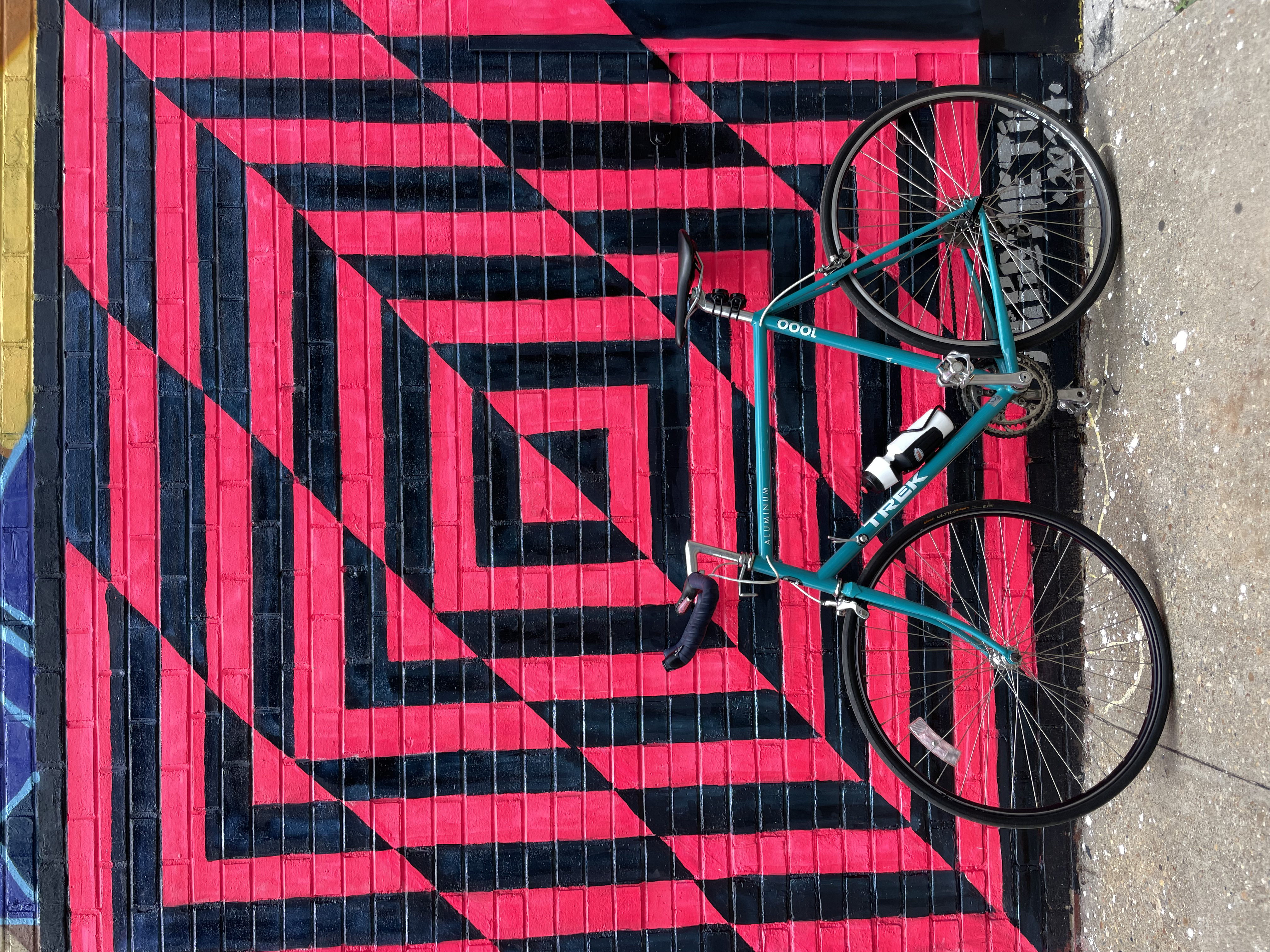
The past few years, my challenges have gone extremely well. In 2024 I shed about 25lb, rode over 1000 miles on my bike, and knocked out 42 books. In 2025 I worked on strength exercises and learned a ton about my diet, reallocating my macros for a proper distribution to support my overall energy and health. All of these wins came from consistent habits built during my start-of-the-year challenge. The most amazing outcome of this to me is that these habits stuck for years afterwards. For reference, the results of my challenges in the two previous years were both around 95%.
Conclusion
Challenges are one of the most reliable tools in my system for building habits. Combining a clear timeframe, a forgiving scoring system, and realistic habits creates the conditions required for building real, lasting behavioral change. I use them at the start of the year for a nice mental reset after the holidays, but they go just as well at the end of summer before fall begins, right before your birthday, and so forth. To execute, simply set your habits, pick your duration, and start tracking. Please email me your experiences if you try a challenge, as I’d love to know how you did!
Addendum
References
Research used to formulate these ideas.
- Time to Form a Habit: A Systematic Review and Meta-Analysis of Health Behaviour Habit Formation and Its Determinants
- Making health habitual: the psychology of ‘habit-formation’ and general practice
- 75 Hard Challenge: Rules, Potential Benefits & What Experts Think
Tools
These are some helpful apps and tools I use to keep myself on track
- Apps
- Apple Ecosystem
- Reminders
- Shortcuts + Data Jar (blog post on this usage forthcoming)
- Fitness, especially on the watch
- Health
- Tools
- 40 oz bottle
- Food scale